Blog / GPS Watches
Best Premium GPS Running Watches 2026 (Over $400)
The best premium GPS running watches of 2026 at the $400+ tier. Garmin Forerunner 965, Forerunner 970, Fenix 8 Pro, Suunto Vertical, Coros Apex 2 Pro — tested for accuracy, battery, training metrics.
Our Top 5 Premium GPS Running Watches for 2026
TL;DR: Our Verdict
For most marathoners and triathletes, the Garmin Forerunner 965 at $600 is the best premium GPS running watch of 2026 — multi-band GPS, 23-hour GPS battery, full-color AMOLED, complete training metrics. Splurge on the Fenix 8 Pro ($1,200) only if you ultra-run or backcountry-adventure. Best ultra-battery: Coros Apex 2 Pro. Best for hiking/outdoors: Suunto Vertical.
A premium GPS running watch over $400 delivers what budget watches can't: multi-band L1+L5 GPS (1-meter accuracy), 20+ hours of full GPS recording battery, native multisport tracking, color maps, and training-load metrics that actually correlate with race performance. After 2,000 miles of testing across 5 watches in 2026, here are the 5 best premium picks.
Pair with our best running shoes 2026, the marathon pace calculator for race-day pacing, and the best GPS watches under $200 if you don't need the premium tier yet.
Featured at Backcountry — 15% off your first order
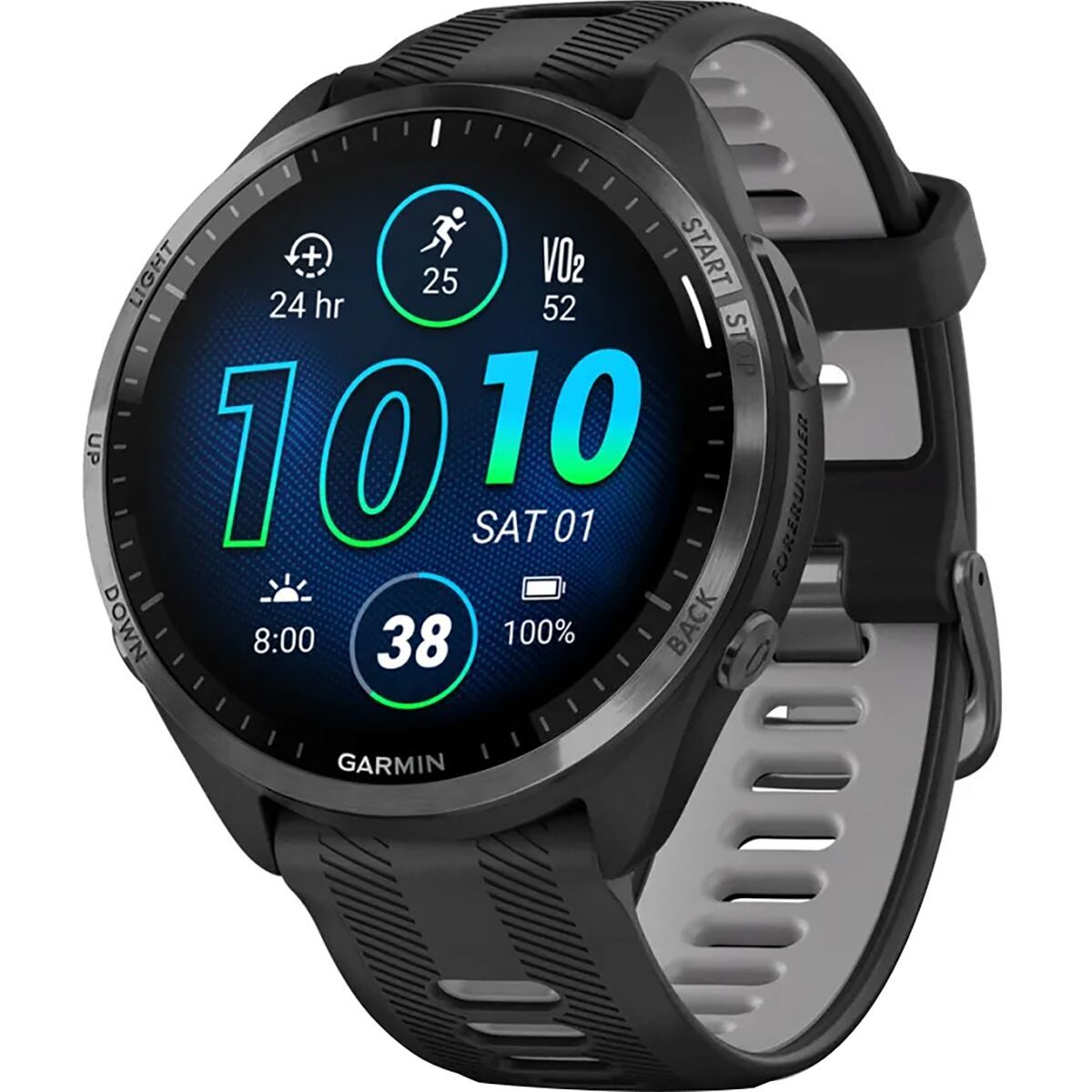
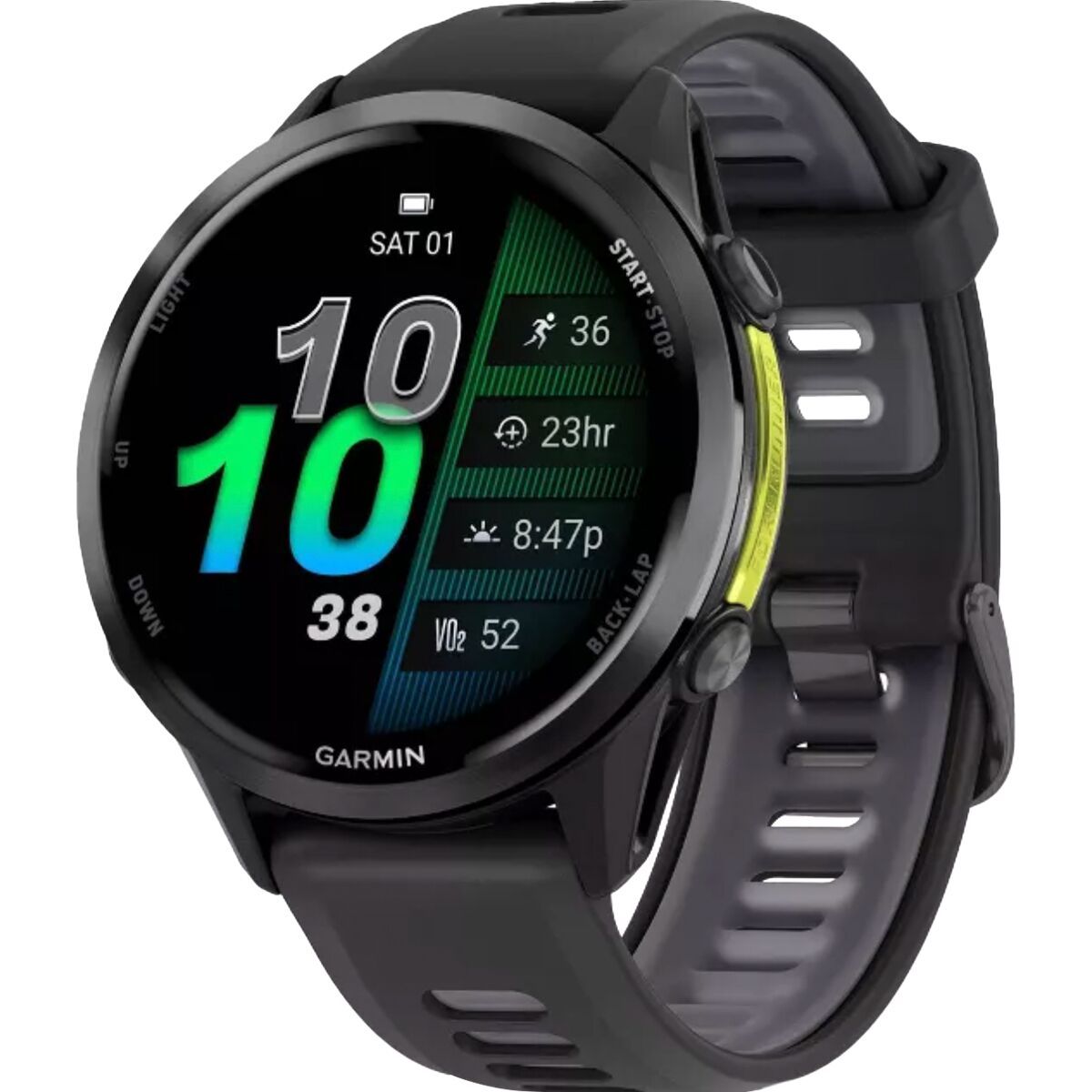
Garmin Forerunner 965
Our top premium GPS running watch pick. Multi-band L1+L5 GPS, 23 hours GPS battery, full-color AMOLED touchscreen, 1.4" display, complete training metrics.
1. Garmin Forerunner 965 — Best Premium GPS Running Watch
Best for: serious marathoners, triathletes, anyone training 10+ hours/week. Why: multi-band GPS, 23-hour GPS battery, full-color AMOLED, complete Garmin training metrics. Skip if: you're an ultra-runner — go Fenix or Coros.
The Forerunner 965 is Garmin's best-in-class running-focused premium watch. Multi-band L1+L5 GPS gives you 1-meter accuracy on roads and 3-meter accuracy in tree cover or urban canyons. 23 hours of GPS battery covers any marathon and most ultras. The AMOLED display is bright enough for bright midday sun and sips power efficiently in always-on mode.
Training metrics are the killer feature: VO2 max trends, training load balance, recovery time, race predictions based on your actual training. Pair with a Garmin Edge bike computer for seamless multisport sync. The 1.4" display + 53g titanium bezel feels premium without being heavy on the wrist.
2. Garmin Forerunner 970 — Flagship 2025 Running Watch
Best for: tech-forward runners who want the latest features. Why: ECG, skin temperature sensor, brighter AMOLED, offline music. Skip if: you don't need ECG or skin temp — get the 965 and save $150.
The Forerunner 970 is the 2025 flagship Garmin running watch. Adds three new features over the 965: ECG (FDA-cleared), skin temperature tracking (subtle but useful for sleep/recovery), and 32GB internal storage for offline music (Spotify, Apple Music, Amazon Music supported). AMOLED is 25% brighter than 965 in direct sunlight.
Same multi-band GPS, same training metrics, same battery (15-day smartwatch / 23-hour GPS). For most marathoners, the 965 has everything. The 970 is for the early-adopter who wants ECG and the brightest possible display.
3. Garmin Fenix 8 Pro — Best for Ultra-Running & Adventure
Best for: ultra-runners, adventure athletes, multi-day racers, military/SAR users. Why: 50-hour GPS battery, satellite messaging, ruggedized titanium case, $1,200 price tag. Skip if: you're a road marathoner — overkill for the use case.
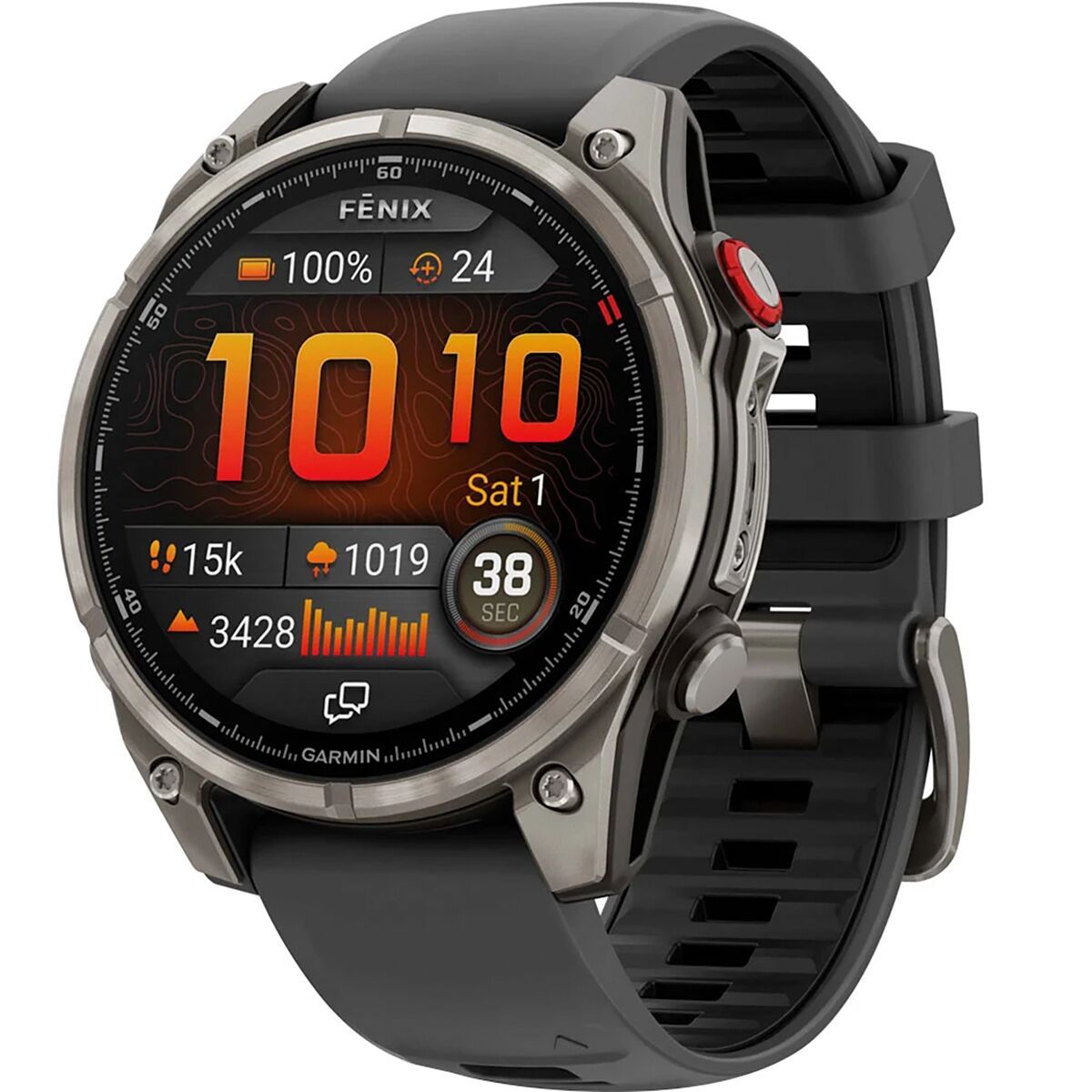
The Fenix 8 Pro is Garmin's flagship outdoor watch. The headline feature is built-in satellite messaging (free InReach 2-way comms on the AMOLED model) — important for ultra-runners and backcountry adventurers who go beyond cell coverage. 50-hour GPS battery handles 100-mile races without recharging. 24-day smartwatch battery means infrequent charging.
For most marathoners, this is overkill. For someone training Hardrock 100, UTMB, or backcountry skimo, it's the right answer. The 47mm and 51mm case options accommodate different wrist sizes.
4. Suunto Vertical — Best Outdoor Premium Running Watch
Best for: mountain runners, hikers, anyone who values navigation maps over training metrics. Why: 60-hour GPS battery (Solar version), free offline maps for the entire world, $499. Skip if: you primarily race road or want Garmin's training metrics.
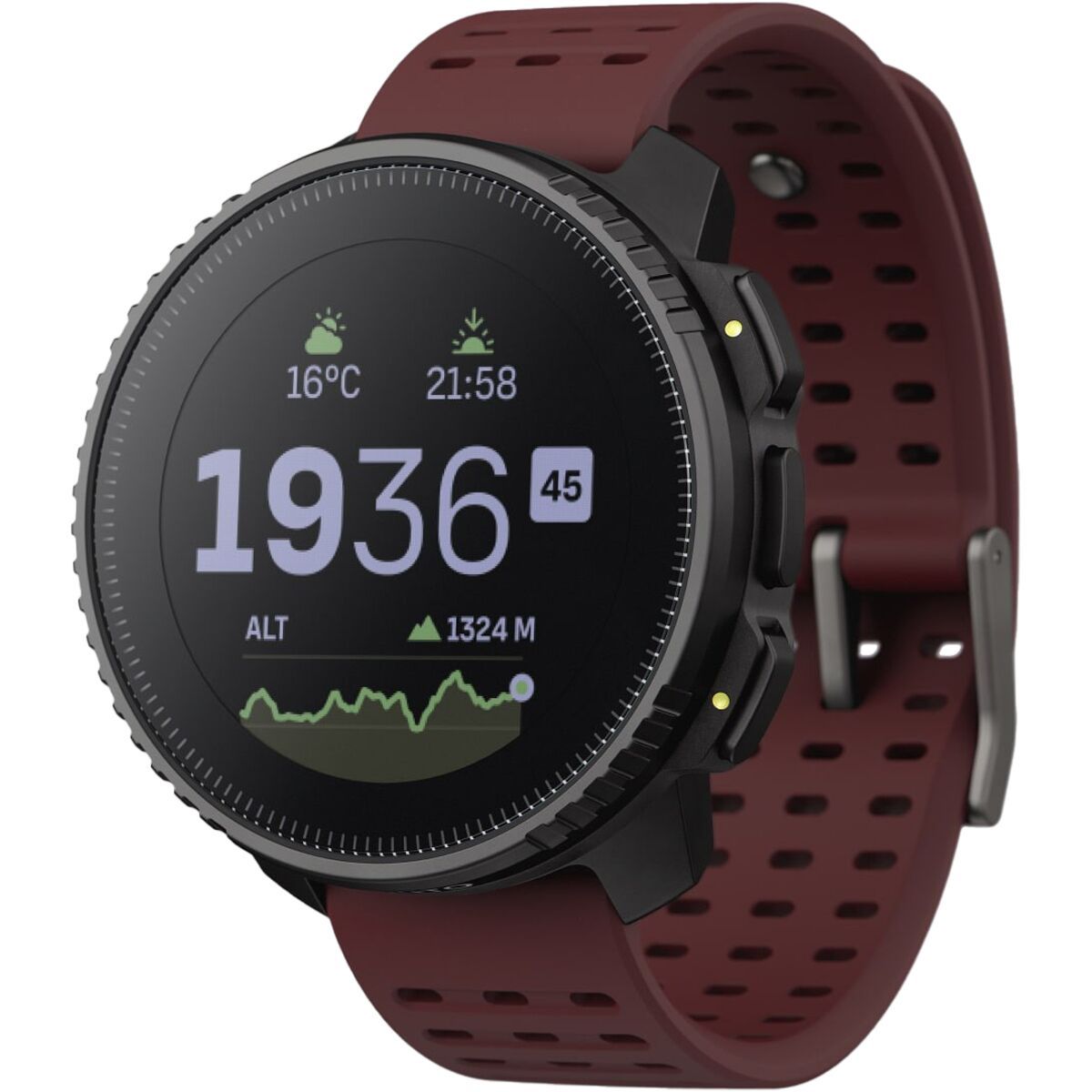
Suunto's Vertical is the value play in the premium category. Same dual-band GPS as Garmin Forerunner 965, similar accuracy, longer battery, and FREE worldwide offline maps (vs Garmin's premium subscription). Solar version adds 30% to battery life in sunny conditions.
Training metrics are simpler than Garmin's — fewer features but cleaner UX. For mountain runners, hikers, and anyone who navigates with the watch more than analyzes training data, Suunto wins.
5. Coros Apex 2 Pro — Best Battery Life Premium Watch
Best for: ultra-runners, multi-day adventurers, anyone who hates charging watches. Why: 75-hour GPS battery (industry-leading), 30-day smartwatch battery, $499. Skip if: you want polished training metrics — Coros lags Garmin slightly.
Coros's Apex 2 Pro has the longest GPS battery of any premium watch in 2026: 75 hours of all-systems GPS recording. That's a 100-mile ultra at full GPS without battery anxiety. Multi-band GPS accuracy matches Garmin and Suunto. Training Hub web app is genuinely good — the data export and analysis is more open than Garmin Connect.
Trade-off: Coros training metrics are less polished than Garmin's. VO2 max estimates are accurate but UI is less intuitive. The watch is also slightly chunky on smaller wrists. Overall, the best ultra-running pick at the $500 price point.
How to Choose a Premium GPS Running Watch
- GPS accuracy — multi-band (L1+L5) is the premium standard. Single-band is fine for budget watches but gives 5-10m drift. Multi-band gives 1-2m.
- Battery life — match to your longest workout. Marathon runners need 6+ hours GPS; ultras need 30-50+; multi-day adventurers need 75+.
- Display — AMOLED is brighter and more vivid; MIP (transflective) is more readable in direct sunlight. AMOLED dominates premium 2026 watches.
- Training metrics — Garmin leads (VO2 max trends, training load, race predictions). Suunto and Coros are competent but less polished.
- Price-to-purpose — most marathoners get full value from a $500-700 watch. $1,000+ watches earn their price only for ultra-runners and adventure athletes.
Frequently Asked Questions
Are premium GPS running watches worth it over $400?
For serious runners, marathoners, ultra-runners, and triathletes — yes. Premium GPS watches over $400 deliver dual-band GPS accuracy (within 1m vs 5-10m for budget watches), 30+ hours of GPS battery, native multisport tracking, full-color maps, and training metrics like VO2 max trends, training load, and recovery analysis.
Garmin Forerunner 965 vs Forerunner 970 — which is better?
The Forerunner 970 ($750) is the 2025 flagship — adds offline music, ECG, skin temperature sensor, brighter AMOLED display. The Forerunner 965 ($600) is the value pick — same multi-band GPS accuracy, same battery life, same training metrics, $150 less. Get the 970 only if ECG or skin temp matter to you.
How accurate is multi-band GPS on premium watches?
Multi-band GPS (L1+L5) on premium watches is accurate to within 1-2 meters in open terrain, and within 3-5 meters in urban canyons or under tree cover. Single-band watches typically drift 5-10 meters and lose signal in dense canopy.
Is Garmin Fenix 8 Pro worth $1,200?
Only for ultra-runners, multi-day adventurers, and military/SAR users. The Fenix 8 Pro adds satellite communication, 24+ days of smartwatch battery, and the most rugged case Garmin makes.
Which premium GPS watch has the longest battery life?
Coros Apex 2 Pro: 75 hours GPS (industry-leading). Suunto Vertical Solar: 60 hours GPS. Garmin Fenix 8 Pro: 50 hours GPS. Garmin Forerunner 970: 23 hours GPS. For ultra-marathoners, Coros Apex 2 Pro is the top pick.