Quick Answer: A 4:00 marathon requires 9:09/mile pace. A 3:30 marathon requires 8:01/mile. Enter your target time below for full mile-by-mile splits.
Marathon Pace Calculator
Generate mile-by-mile and km-by-km split tables, checkpoint times for every major distance marker, and a printable pace band you can wear on race day. Supports even splits and negative split strategies.

Calculate Your Marathon Splits
Checkpoint Times
| Mile | Split | Cumulative | Pace/Mile |
|---|
| Mile | Split | Elapsed | Mile | Split | Elapsed |
|---|
Marathon Pace Chart
Quick reference showing the required pace per mile and per km for common marathon finish times from 3:00 to 5:30.
| Finish Time | Pace / Mile | Pace / KM | Half Split | 5K Split |
|---|
Boston Marathon Qualifying Paces by Age Group
The Boston Athletic Association sets qualifying standards by age and gender. Note: in recent years, runners typically need to beat the standard by 5-6 minutes to secure entry.
| Age Group | Men BQ | Men Pace/Mile | Women BQ | Women Pace/Mile |
|---|---|---|---|---|
| 18-34 | 3:00:00 | 6:52 | 3:30:00 | 8:01 |
| 35-39 | 3:05:00 | 7:03 | 3:35:00 | 8:12 |
| 40-44 | 3:10:00 | 7:15 | 3:40:00 | 8:23 |
| 45-49 | 3:20:00 | 7:38 | 3:50:00 | 8:46 |
| 50-54 | 3:25:00 | 7:49 | 3:55:00 | 8:58 |
| 55-59 | 3:35:00 | 8:12 | 4:05:00 | 9:21 |
| 60-64 | 3:50:00 | 8:46 | 4:20:00 | 9:55 |
| 65-69 | 4:05:00 | 9:21 | 4:35:00 | 10:29 |
| 70-74 | 4:20:00 | 9:55 | 4:50:00 | 11:03 |
| 75-79 | 4:35:00 | 10:29 | 5:05:00 | 11:37 |
| 80+ | 4:50:00 | 11:03 | 5:20:00 | 12:12 |
How to Pace a Marathon
Pacing strategy can make or break your marathon. Here are the two main approaches and when to use each.
Even Split Strategy
Run the same pace for every mile from start to finish. This is the safest and most recommended strategy for first-time and intermediate marathoners.
- + Simplest to plan and execute
- + Most energy-efficient pacing pattern
- + Reduces risk of hitting the wall
- + Best for your first marathon or a new distance PR attempt
Negative Split Strategy
Run the second half of the marathon 1-3 minutes faster than the first half. This requires discipline to hold back early when you feel fresh.
- + Used by most world-record performances
- + Finish strong while others fade
- + Mentally rewarding to pass runners in the last 10K
- ! Requires experience and strong pace discipline
Key Pacing Rules
- Mile 1: Always run your first mile 10-15 seconds slower than goal pace. The adrenaline and crowds will tempt you to start fast — resist it.
- Miles 1-10: Bank nothing. Run at or slightly slower than goal pace. Early speed is repaid with interest after mile 20.
- Miles 10-20: Settle into goal pace. Take fuel at regular intervals (every 30-45 minutes). Stay mentally relaxed.
- Miles 20-26.2: This is where the marathon begins. If you ran the first half correctly, you have the energy to maintain or accelerate. Shorten your focus to one mile at a time.
Marathon Day Essentials
Tested and recommended gear for race day. These are the products we use and trust.
Garmin Forerunner 265
AMOLED GPS running watch with real-time pace, advanced training metrics, and race-day widgets.
- ✓Real-time pace & split alerts
- ✓Race predictor & training status
- ✓13-hour GPS battery life
GU Energy Gel Variety Pack
24-pack of GU gels in assorted flavors. 100 calories and 20mg caffeine per gel — the marathon fueling standard.
- ✓Easy to digest mid-race
- ✓Electrolytes + amino acids
- ✓Take every 45 min during marathon
SPIbelt Race Belt
Low-profile running belt for bib number, gels, phone, and keys. No bounce, no chafe, expandable pocket.
- ✓Holds 6+ gels for marathon fueling
- ✓Clip bib without safety pins
- ✓Bounce-free design
Affiliate Disclosure: Product links may earn us a commission at no additional cost to you. This helps support our free calculators.
Related Guides
Running Pace Calculator
Calculate pace for any distance — perfect for training runs and shorter races.
Race Time Predictor
Predict your marathon finish time from a recent 5K, 10K, or half marathon result.
Marathon Training Plan Guide 2026
Complete 16-20 week marathon training plans for beginners through advanced runners.
Boston Marathon Qualifying Guide
Qualifying standards, training strategies, and course selection tips for your BQ.
Best Energy Gels & Chews 2026
Tested and ranked — the best marathon fueling products for race day and long runs.
Shop Related 2026 Gear
Gear picks that pair with this calculator:
Featured at Backcountry — 15% off first order
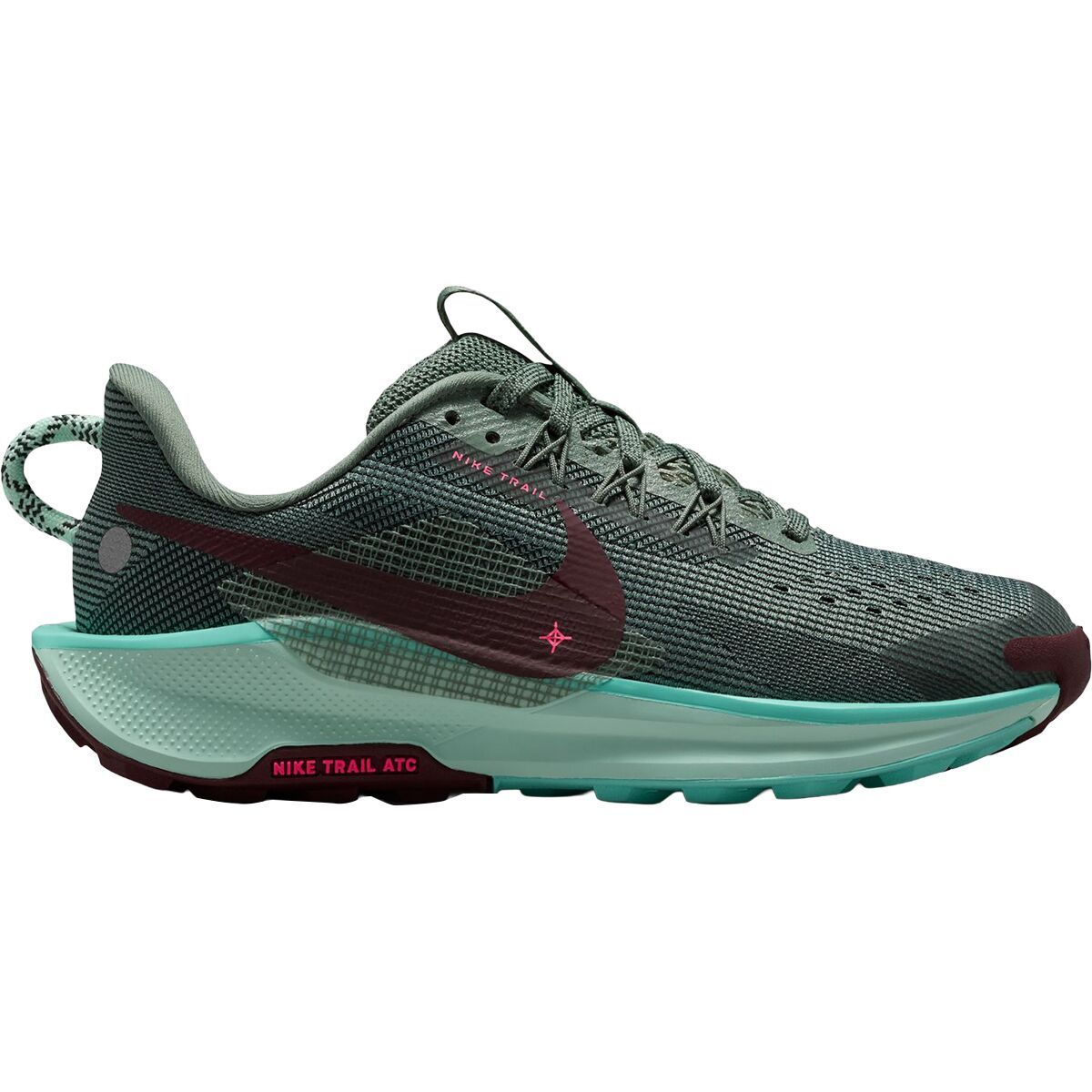
Nike Pegasus Trail 5
Our go-to trail-capable training shoe. React foam + sticky outsole.