Cycling Power · Updated 2026
FTP Calculator
Calculate your Functional Threshold Power using the most accurate test protocols. Get personalized power zones for Zwift, TrainerRoad, Wahoo, and outdoor training.
FTP = 20-minute average power × 0.95. Example: 260W × 0.95 = 247W FTP.
How does your FTP compare?
A reference point. Power-to-weight ratio matters more than absolute watts for climbing performance.
Choose your protocol
Test your FTP
20-Minute FTP Test
Test protocol
- Warm up 20 min with 3×1-min fast pedaling drills
- Ride 5 min all-out (reduces anaerobic contribution)
- Recovery spin 10 min
- Ride 20 min at maximum sustainable power
- Cool down 10–15 min
- Your FTP = 95% of 20-minute average power
Featured Gear · 15% Off Backcountry First Order
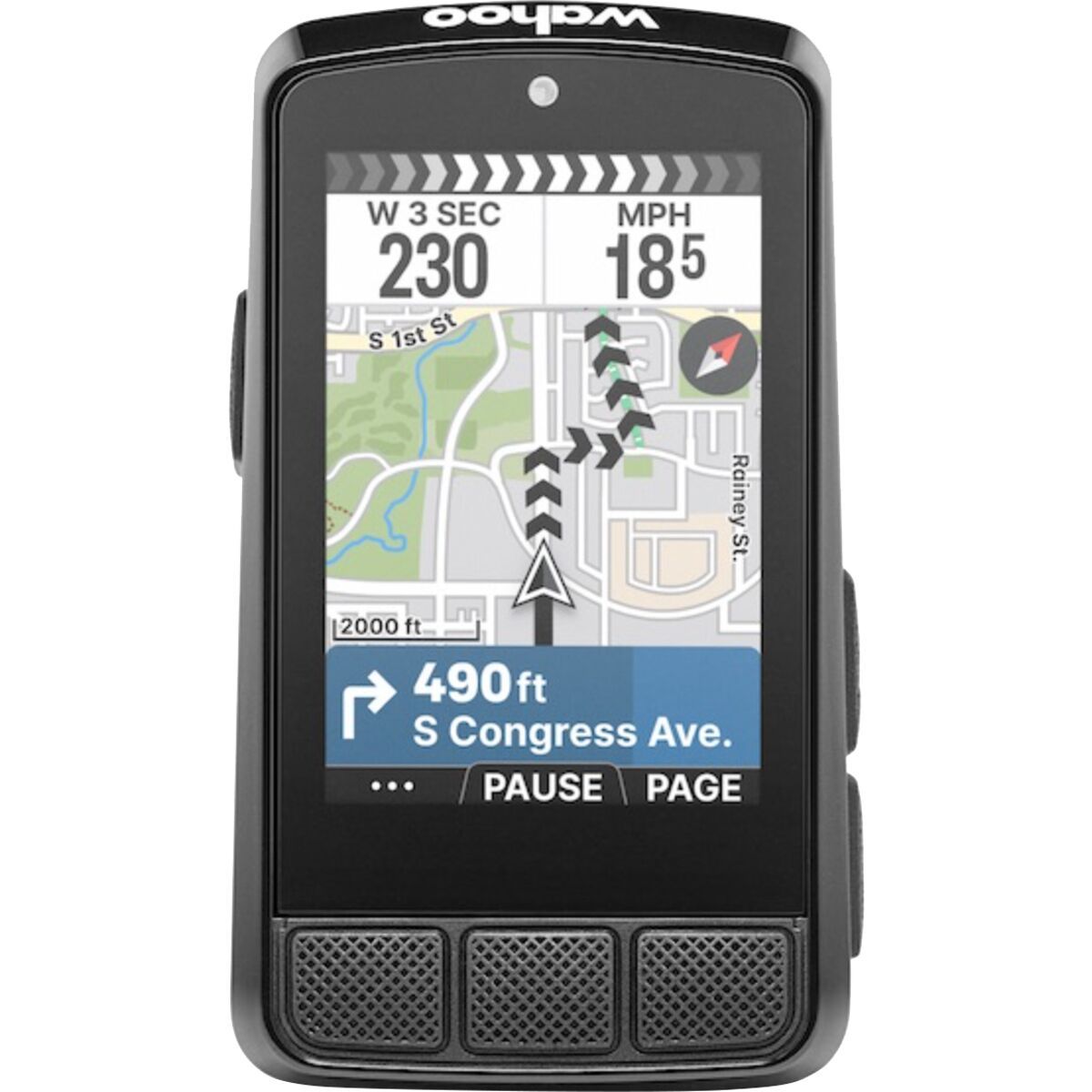
Wahoo ELEMNT BOLT 3
Display real-time watts from any power meter on Wahoo's premium head unit. The on-bike companion to your FTP work.
The Complete Guide
FTP Testing
Functional Threshold Power represents the highest average power you can sustain for approximately one hour. The gold standard metric for cycling performance.
Think of FTP as your "cruising speed" — the maximum pace you can maintain without accumulating excessive fatigue. For most cyclists, this occurs at the boundary between sustainable aerobic effort and unsustainable anaerobic effort.
Choosing the right test
20-Minute Test
The most popular and reliable test for most cyclists.
- + Good balance of accuracy and difficulty
- + Works for all fitness levels
- − Requires good pacing skills
8-Minute Test (2×8)
Great for those who struggle with longer efforts.
- + Easier to pace
- + Less mentally demanding
- − May overestimate for some riders
Ramp Test
Quick and simple, ideal for frequent testing.
- + No pacing required
- + Short duration (~20 min)
- − Can underestimate diesel riders
Race Data
Real-world power from actual races.
- + Most race-specific
- + No dedicated test
- − Requires recent hard race
Power zones at a glance
| Zone | Name | % FTP | Purpose |
|---|---|---|---|
| 1 | Active Recovery | < 55% | Recovery, warm-up/cool-down |
| 2 | Endurance | 56–75% | Base training, long rides |
| 3 | Tempo | 76–90% | Aerobic capacity, sustained efforts |
| 4 | Threshold | 91–105% | FTP improvement, time trials |
| 5 | VO2 Max | 106–120% | 3–8 min max efforts |
| 6 | Anaerobic | 121–150% | 30 sec – 2 min efforts |
| 7 | Neuromuscular | > 150% | Sprints, < 30 seconds |
How to improve your FTP
Sweet Spot
88–94% FTP
20–60 minutes. Best training stimulus with manageable fatigue.
Threshold
95–100% FTP
2×20 minutes with 5–10 min recovery. Classic FTP-builder.
Over-Unders
95% / 105%
Alternate every 2–3 minutes. Teaches your body to clear lactate.
FTP by category
Men
Women
Platform comparison
TrainerRoad vs. Zwift
Both use ramp tests as their primary FTP assessment, but the approach, accuracy, and feature philosophy differ in ways that affect your training.
TR · $24.99–31.99/mo
TrainerRoad
- AI FTP Detection — estimates FTP from workout data, no formal test
- Ramp Test — 1-min steps until failure, ~25 min
- Calculation — 75% of best 1-min power
- Adaptive Training — adjusts workouts based on FTP
- Best for — cyclists who hate testing, want AI-driven structure
Zwift · $14.99–19.99/mo
Zwift
- Multiple options — Ramp Test, FTP Test, 20-Minute Classic
- Ramp Test Lite — shorter version for newer cyclists
- Gamification — virtual environment makes testing engaging
- Racing integration — FTP affects in-game race categories
- Best for — cyclists who enjoy virtual racing & social riding
Accuracy comparison
| Test | Platform | Duration | Accuracy | Best for |
|---|---|---|---|---|
| AI FTP Detection | TrainerRoad | None | ±3–5% | Consistent trainers |
| Ramp Test | Both | 20–25 min | ±5–8% | Most cyclists |
| 20-Minute Test | Zwift Classic | ~45 min | ±3–5% | Experienced testers |
| Manual Entry | This calculator | Varies | ±0% (your data) | Any test type |
Frequently asked
Common questions
What is a good FTP for cycling?+
A "good" FTP depends on your goals and experience level. For recreational cyclists, 2.5–3.5 W/kg is respectable. Competitive amateurs typically achieve 3.5–4.5 W/kg, while pros reach 4.5–6.0+ W/kg. Improvement relative to your starting point matters more than absolute numbers.
Is 250 watts a good FTP?+
250 watts is a solid FTP for many recreational cyclists. For a 70kg rider, this equals 3.6 W/kg — competitive at the amateur level. For a 90kg rider, it's 2.8 W/kg, good for recreational riding. Context matters: weight, training history, and goals determine if it's "good" for you.
How often should I test my FTP?+
Test every 6–8 weeks during build phases, or after completing a training block. More frequent testing causes unnecessary fatigue without meaningful changes. During base training, test every 12 weeks. Always test when returning from a break or starting a new training plan.
Which FTP test is most accurate?+
The 60-minute test is most accurate but rarely practical. The 20-minute test (95% of average) works well for most cyclists. The 8-minute test suits those with higher anaerobic contribution. Ramp tests are convenient but may over- or under-estimate based on your rider type. Consistency matters more than absolute accuracy.
Can I improve my FTP quickly?+
Beginners can see 10–20% improvements in 8–12 weeks with structured training. Experienced cyclists typically gain 3–8% per training cycle. Quick gains come from consistency, progressive overload, adequate recovery, and proper nutrition. Larger initial gains gradually slow as you approach your genetic potential.
Should I use normalized power or average power?+
For steady-state FTP tests (20-minute, 8-minute), use average power. For variable efforts like criteriums or hilly races, normalized power better represents the physiological cost. During actual FTP tests, aim for steady output to make average power most accurate.
What's the difference between FTP and lactate threshold?+
FTP is a practical performance metric — the power you can sustain for ~1 hour. Lactate threshold is a physiological marker where lactate accumulation accelerates. FTP approximates lactate threshold power but is far easier to measure without lab testing.
Why is my indoor FTP different from outdoor?+
Indoor FTP is often 5–10% lower due to: limited cooling (even with fans), psychological factors, different bike position, lack of micro-rests from coasting, and reduced muscle recruitment from no balance requirements. Test in the environment where you'll primarily train.
Featured · Power Meter
Favero Assioma DUO
Lab-quality power data for accurate FTP testing. ±1% accuracy, dual-sided measurement, 50+ hour battery, works with Zwift, TrainerRoad, and every cycling app.
- · ±1% accuracy — industry-leading precision
- · Dual-sided power for left/right balance
- · Easy install — just replace your pedals
Affiliate link. Commission supports our free calculators.
Power accuracy
Master your power
Continue reading
FTP Guide
Complete FTP Training Guide
Comprehensive guide to power-based training for cyclists.
12 min readTesting
FTP Testing Methods
Best methods for accurately testing your Functional Threshold Power.
7 min readPerformance
Power-to-Weight Ratio
Why W/kg matters more than absolute FTP.
6 min readResults
What Your FTP Means
Understand your FTP result and how it compares.
8 min readComparison
FTP Calculator Comparison
Manual vs. Zwift vs. TrainerRoad — which to trust.
9 min readGear
Best Power Meters 2026
Pedals, cranks, hubs — what's worth the spend.
11 min read